Remarks by Ayoko Bahun-Wilson, Director of West Africa Programmes, Faith to Action Network
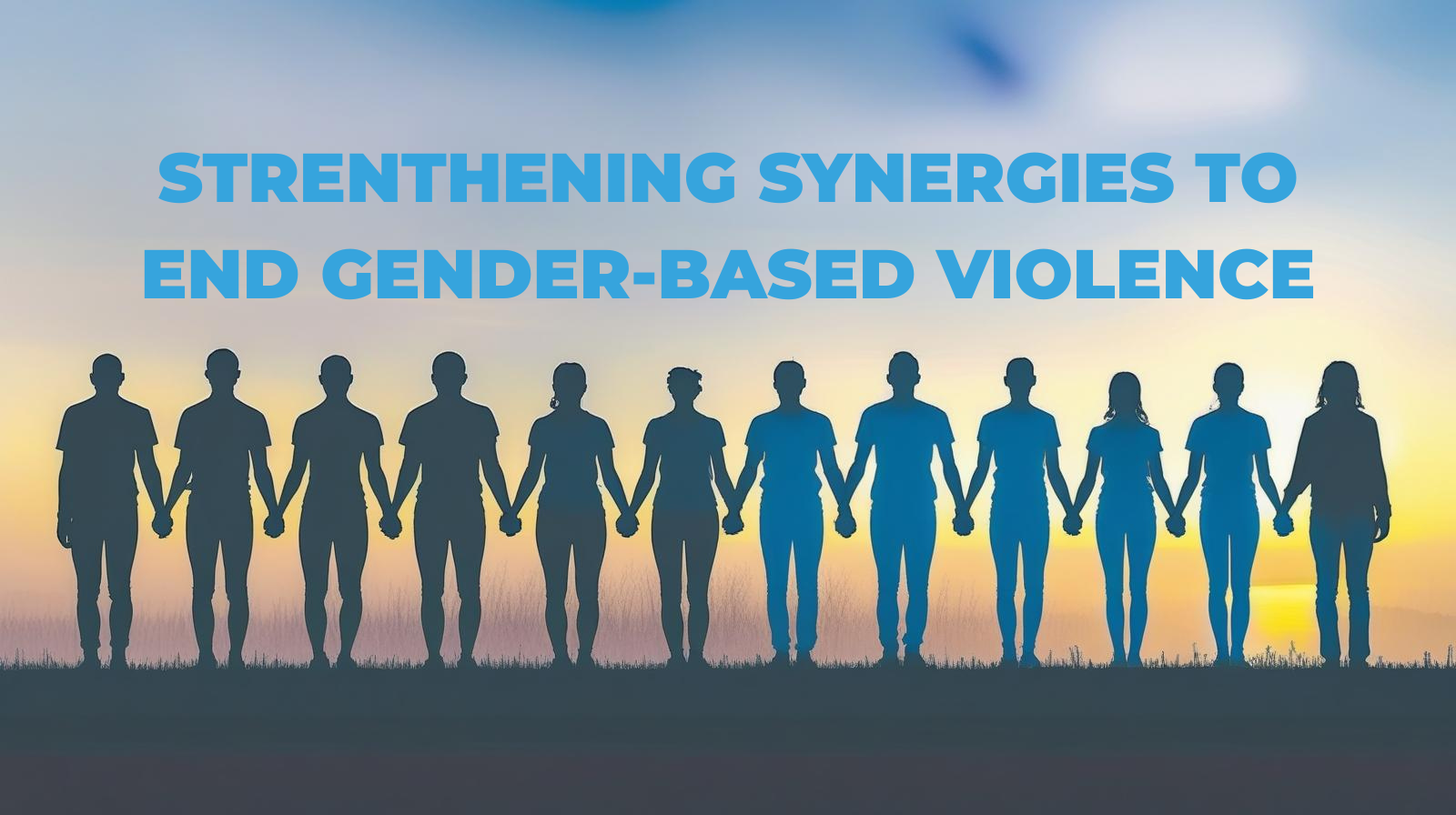
Faith to Action Network has officially opened a regional workshop in Abidjan focused on strengthening collaboration between religious, traditional, community leaders, and local and regional authorities to accelerate the elimination of gender-based violence (GBV) and improve access to health and education services.
Speaking at the opening session, Ayoko Bahun-Wilson, Director of West Africa Programmes at Faith to Action Network, emphasized that no society can achieve sustainable development while gender-based violence continues to deny women, men, girls, and boys their fundamental rights.
Gender-based violence is not only an attack on human integrity; it is a major obstacle to development, social cohesion, and the stability of our communities
Ayoko Bahun-Wilson
Building bridges between values, communities, and public policy
The workshop brings together religious, traditional, and community leaders alongside representatives of local and regional authorities to explore practical ways of working together. According to Ms. Bahun-Wilson, isolated efforts are no longer sufficient to address GBV and related inequalities.
She highlighted the unique role of faith and traditional leaders in shaping social norms and influencing attitudes, while underscoring the responsibility of public authorities to ensure equitable access to health, education, and social protection services.
“Our collective responsibility lies in building sustainable bridges between spiritual values, traditional knowledge, community dynamics, and local public policies,” she said.
The “Strong Families” model as a pathway for change
At the centre of the discussions is the integrated Strong Families model, which focuses on strengthening family resilience through positive parenting, parent–child communication, couple communication, and community savings and solidarity mechanisms (AVEC).
Ms. Bahun-Wilson explained that by promoting equality within households and encouraging intergenerational dialogue, the model helps prevent GBV while also improving children’s wellbeing, access to health services, and educational outcomes.
She outlined several priorities for collective action, including:
- Institutionalising sustained collaboration based on trust and complementarity
- Supporting religious and traditional leaders to deliver prevention messages rooted in cultural and spiritual contexts while upholding human dignity
- Strengthening community capacity to deliver accessible and quality public services
- Actively involving women and young people as agents of change
- Documenting and sharing good practices across communities
A call for shared commitment
Closing her remarks, Ms. Bahun-Wilson encouraged participants to use the workshop as a space for open dialogue, mutual learning, and the development of concrete commitments to advance gender justice and family wellbeing.
She also expressed gratitude to ARSIP for its leadership and community engagement, and to the Ministry of Women, Family and Children, through the Directorate for Family Promotion, for its technical support and partnership.
“By uniting our voices and our actions, we can build communities where every family is strong, every child has access to education, and gender-based violence is no longer justified, tolerated, or silenced,” she concluded.